Duora
A dual-surface desk designed to reintroduce boundaries in remote work.
Duora separates work and everyday life within a single environment.
By dividing the desk into two distinct surfaces, it creates a clear transition between working and disengaging.
Product Design · Furniture · Thesis Project · Individual
Context
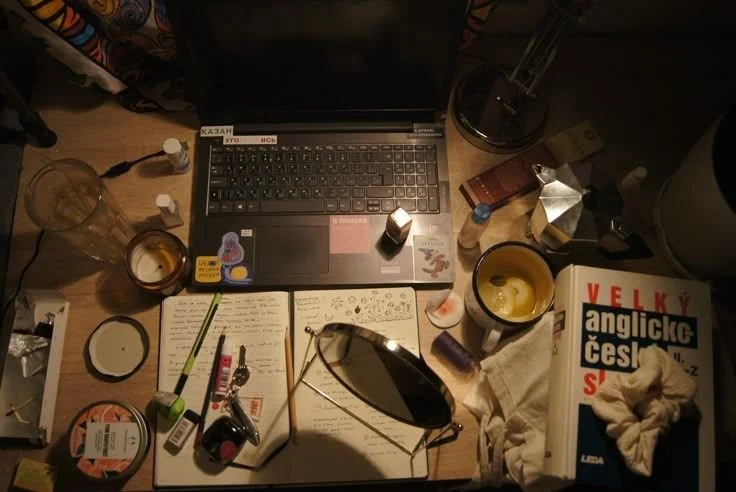
Remote work removes the physical and spatial boundaries that once defined when work begins and ends.
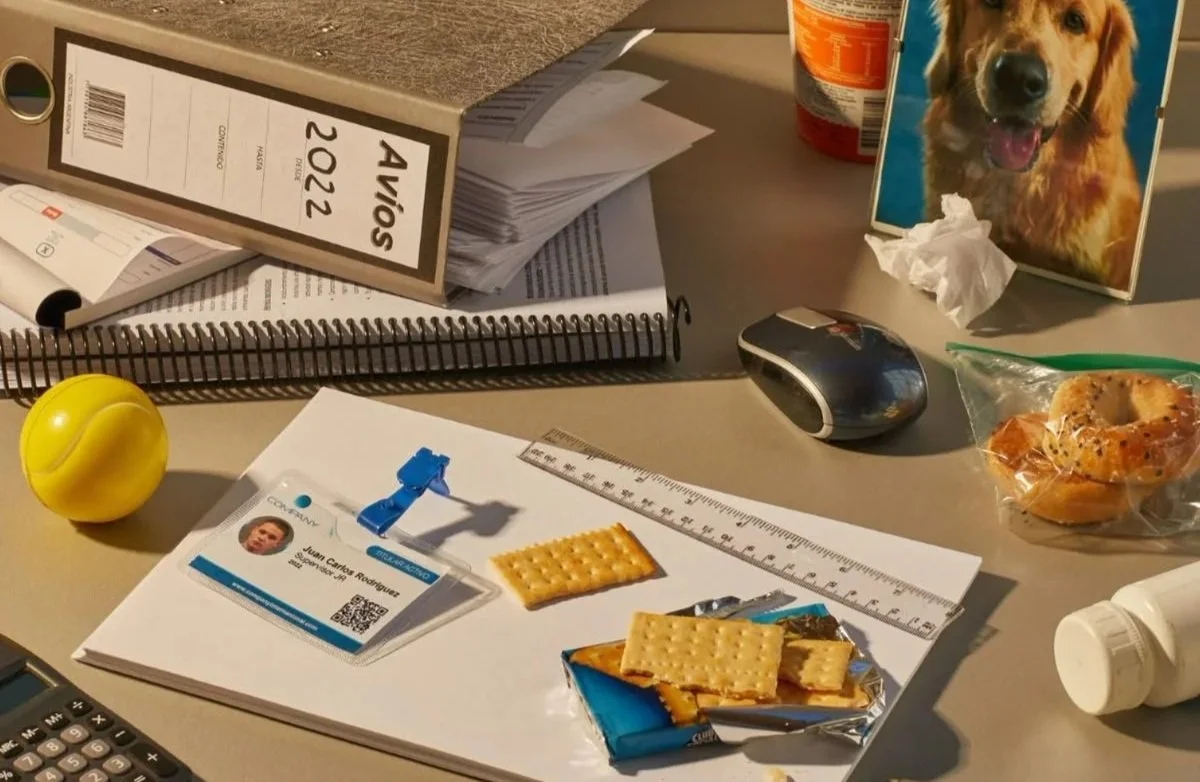
As a result, the desk becomes a continuous surface where work and everyday life overlap.
Without clear separation, it becomes difficult to focus during work and even harder to disengage afterward.

Concept
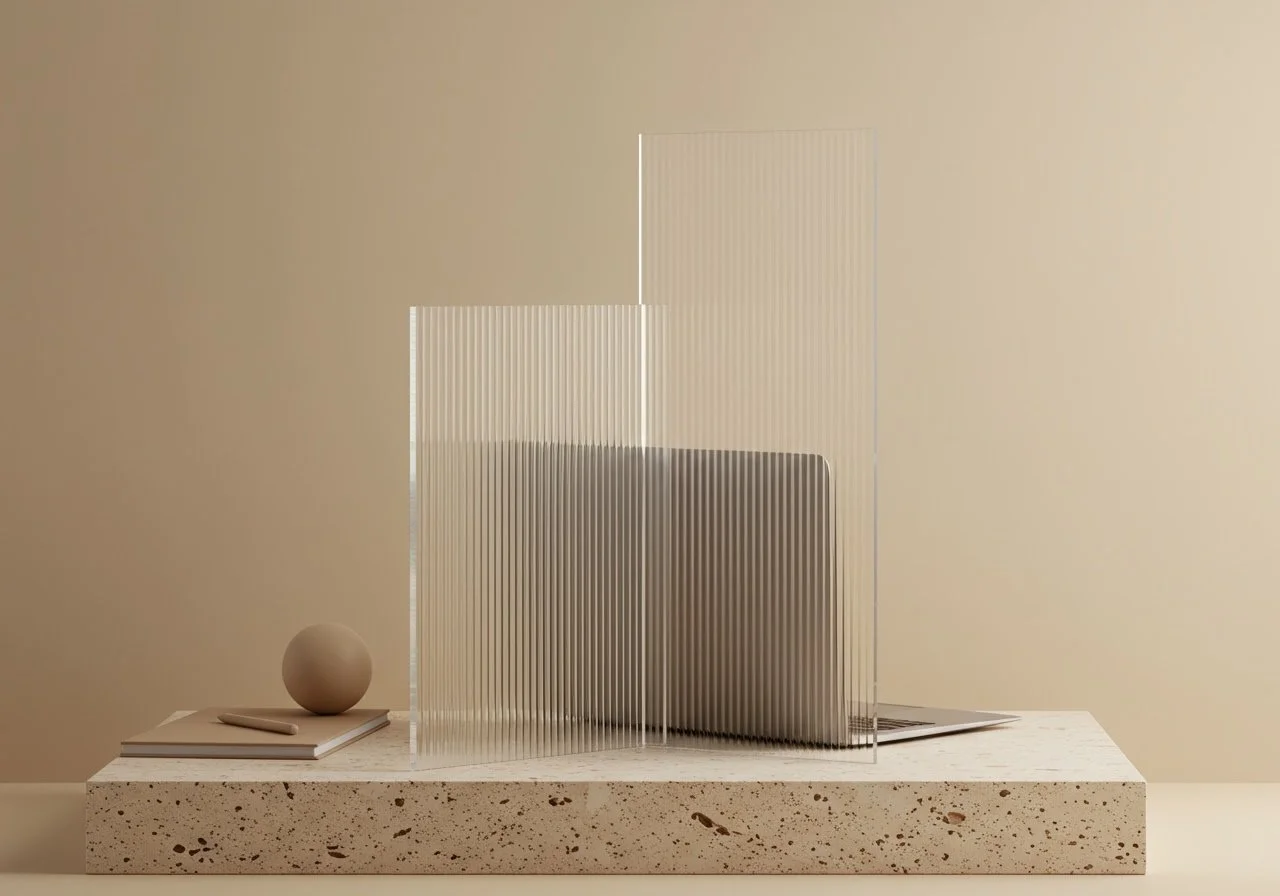
Duora introduces boundary as a physical condition rather than a mental decision.
By splitting the desk into two distinct surfaces, the design creates a clear spatial distinction between work and non-work.
Instead of relying on discipline, users transition by moving between zones.
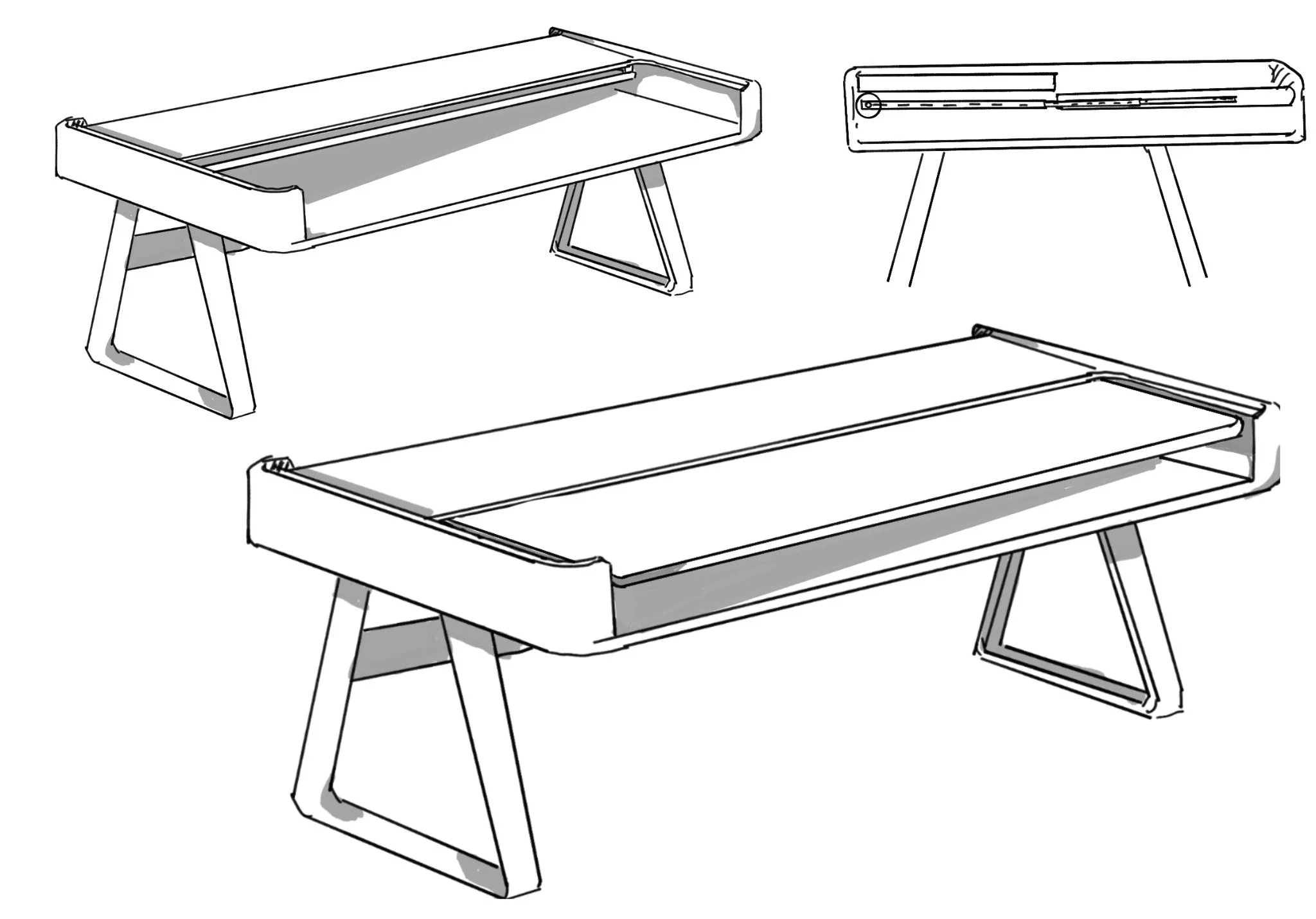
Sketch
Dual Surface System
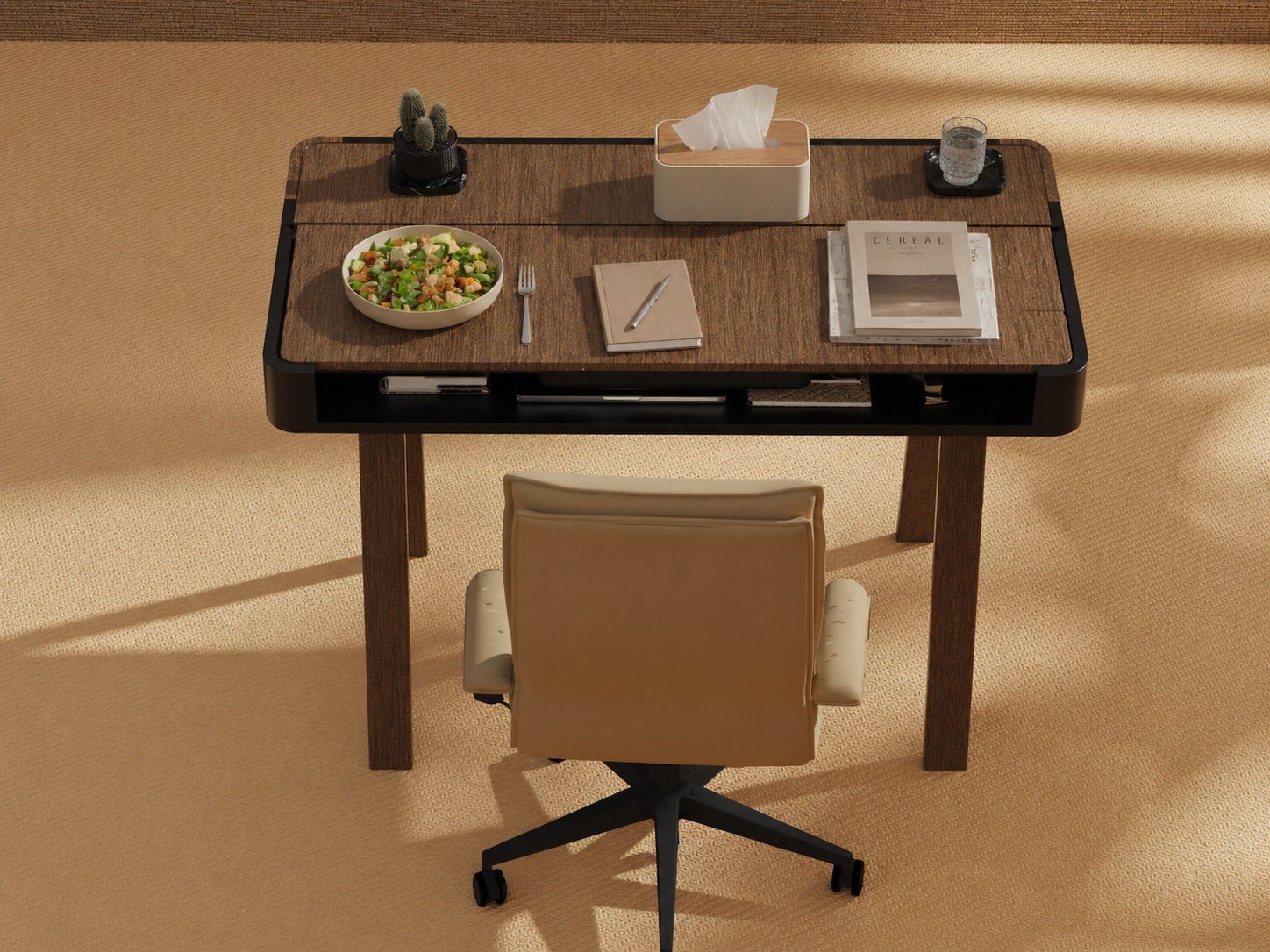
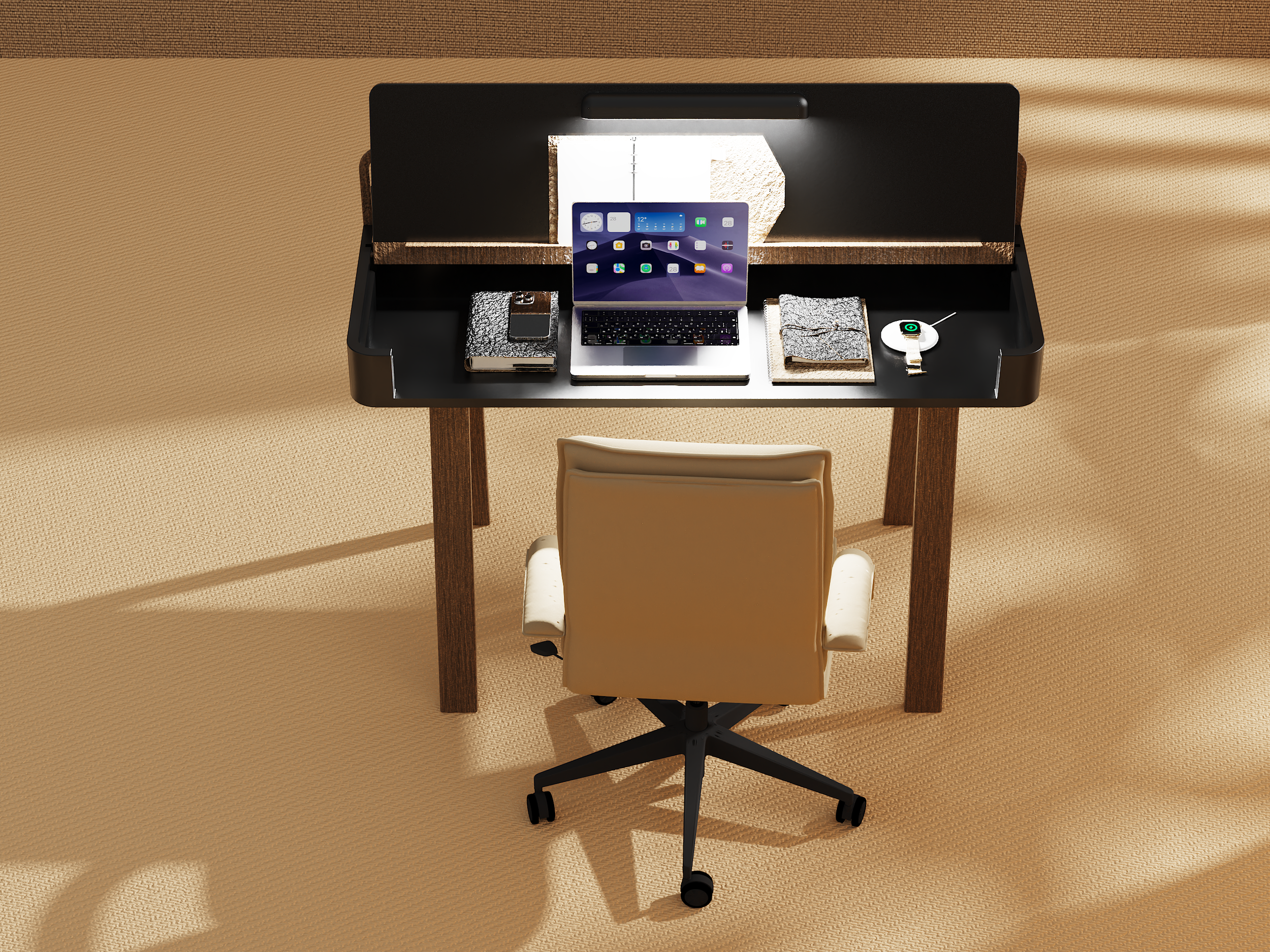
The desk is divided into two surfaces with different heights and orientations.
Each surface supports a different mode of use, allowing users to physically shift between working and non-working states.
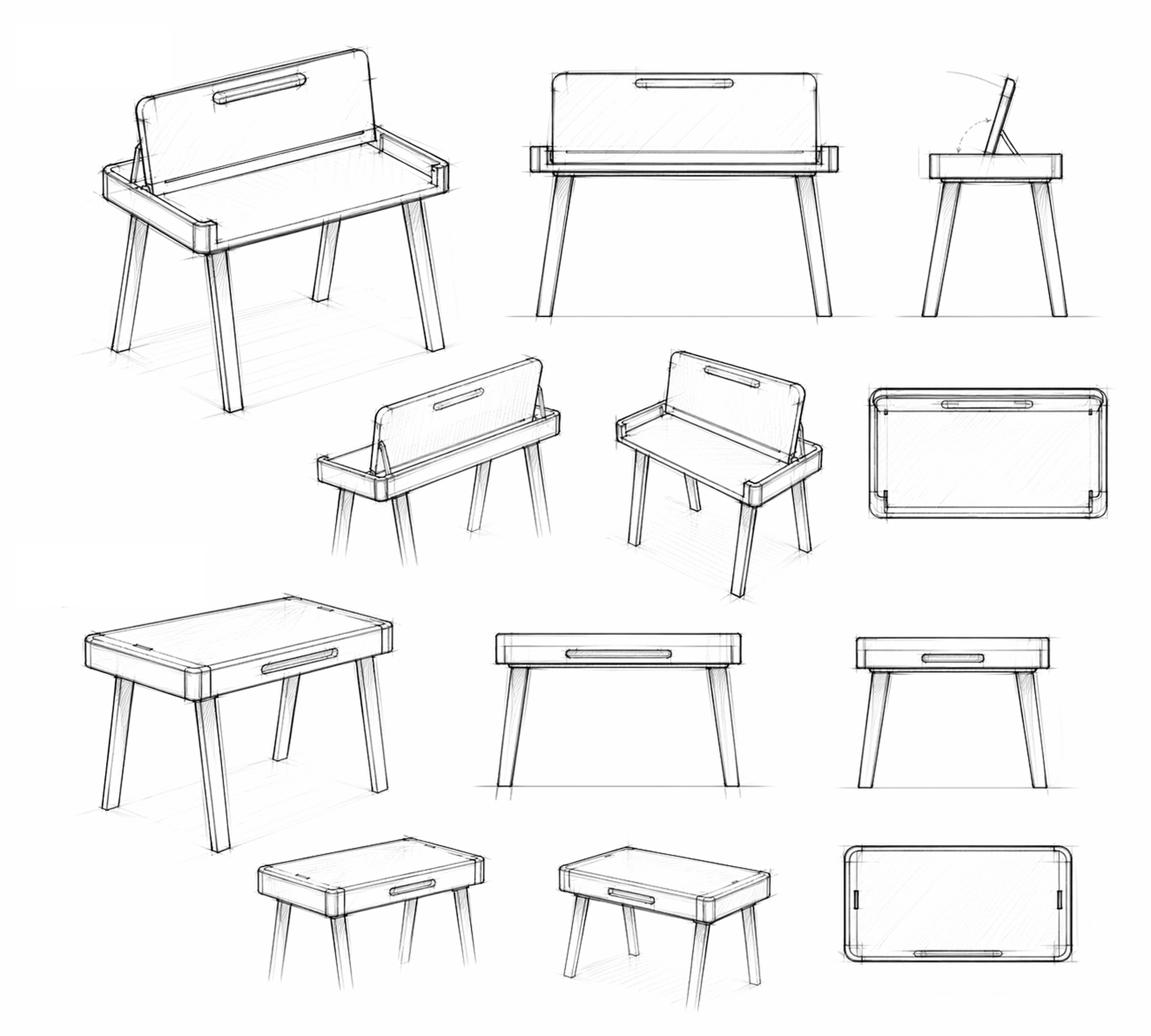
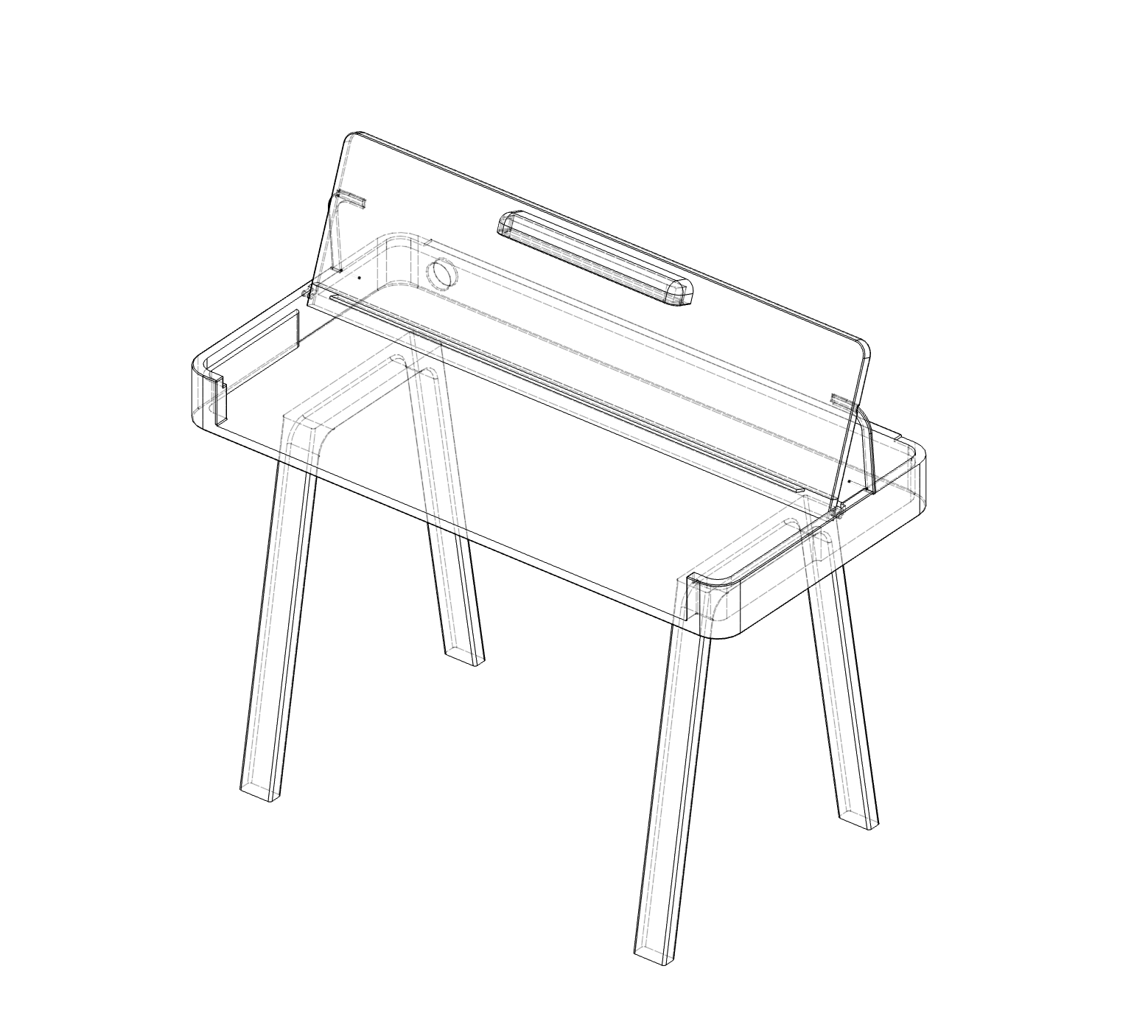
Duora does not require users to “decide” to stop working.
Instead, it enables transition through movement — shifting position, posture, and focus across the two surfaces.
This physical change acts as a boundary, marking the end of one state and the beginning of another.
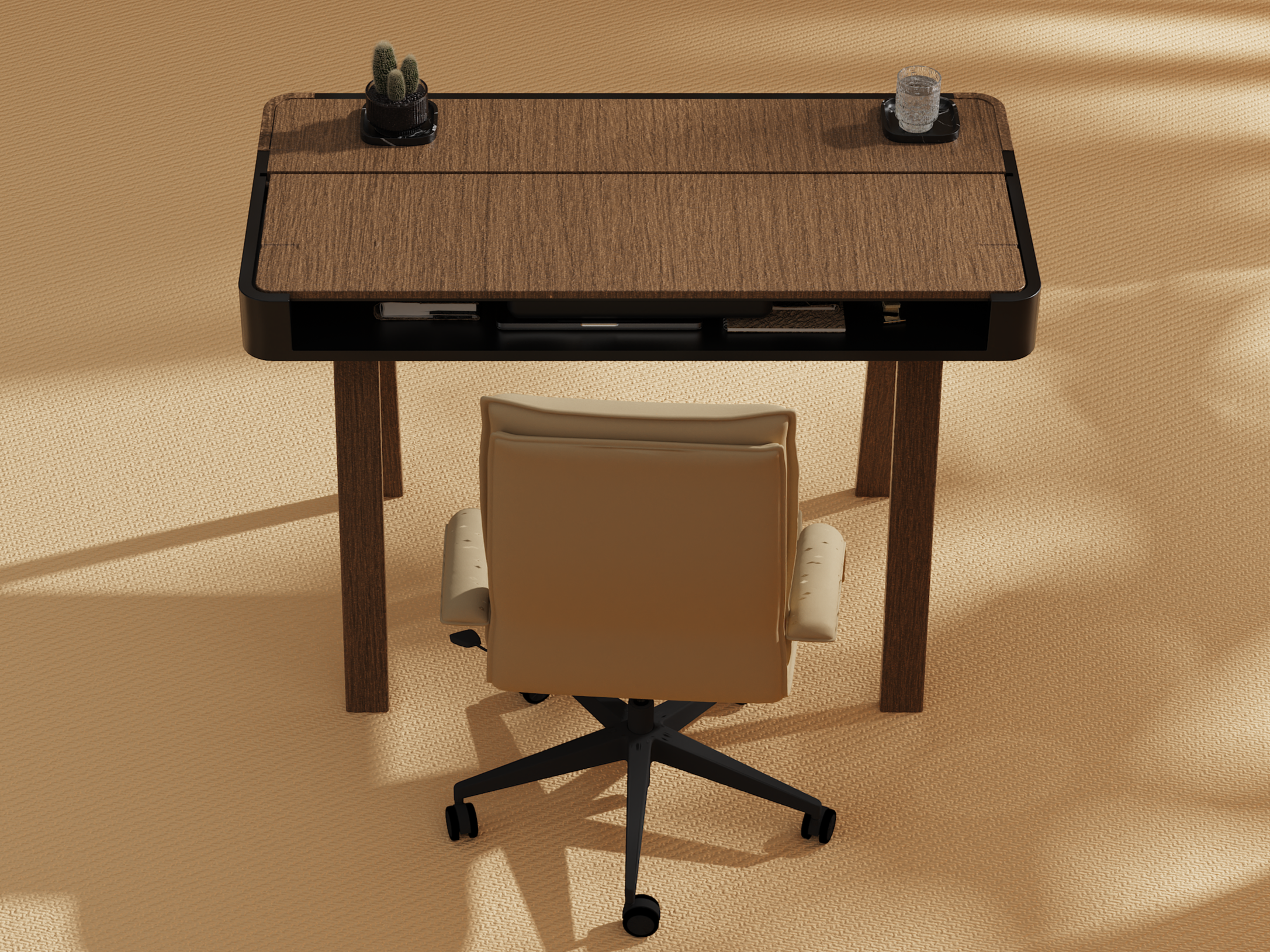

Duora does not require users to “decide” to stop working.
Instead, it enables transition through movement — shifting position, posture, and focus across the two surfaces.
This physical change acts as a boundary, marking the end of one state and the beginning of another.
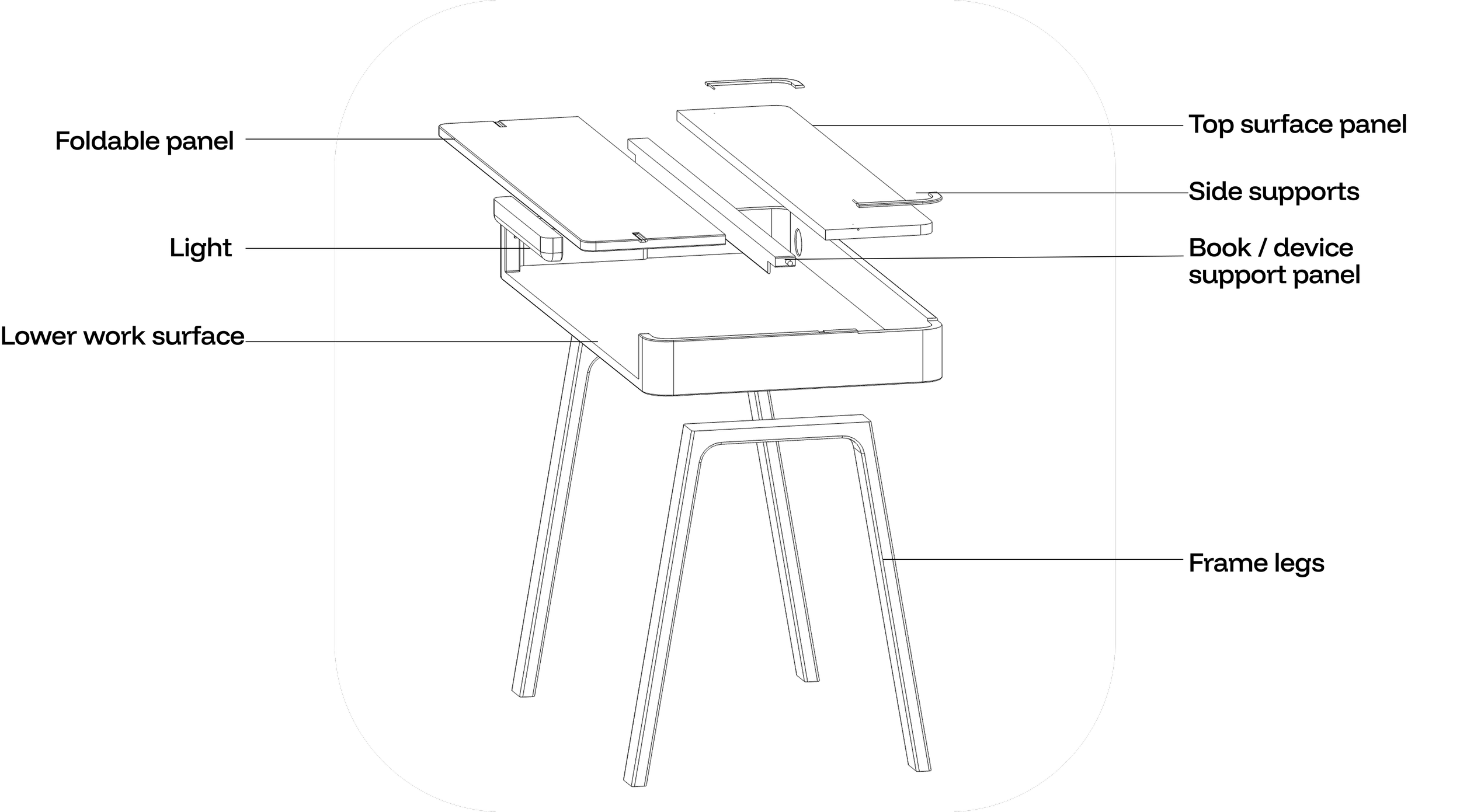
Structure
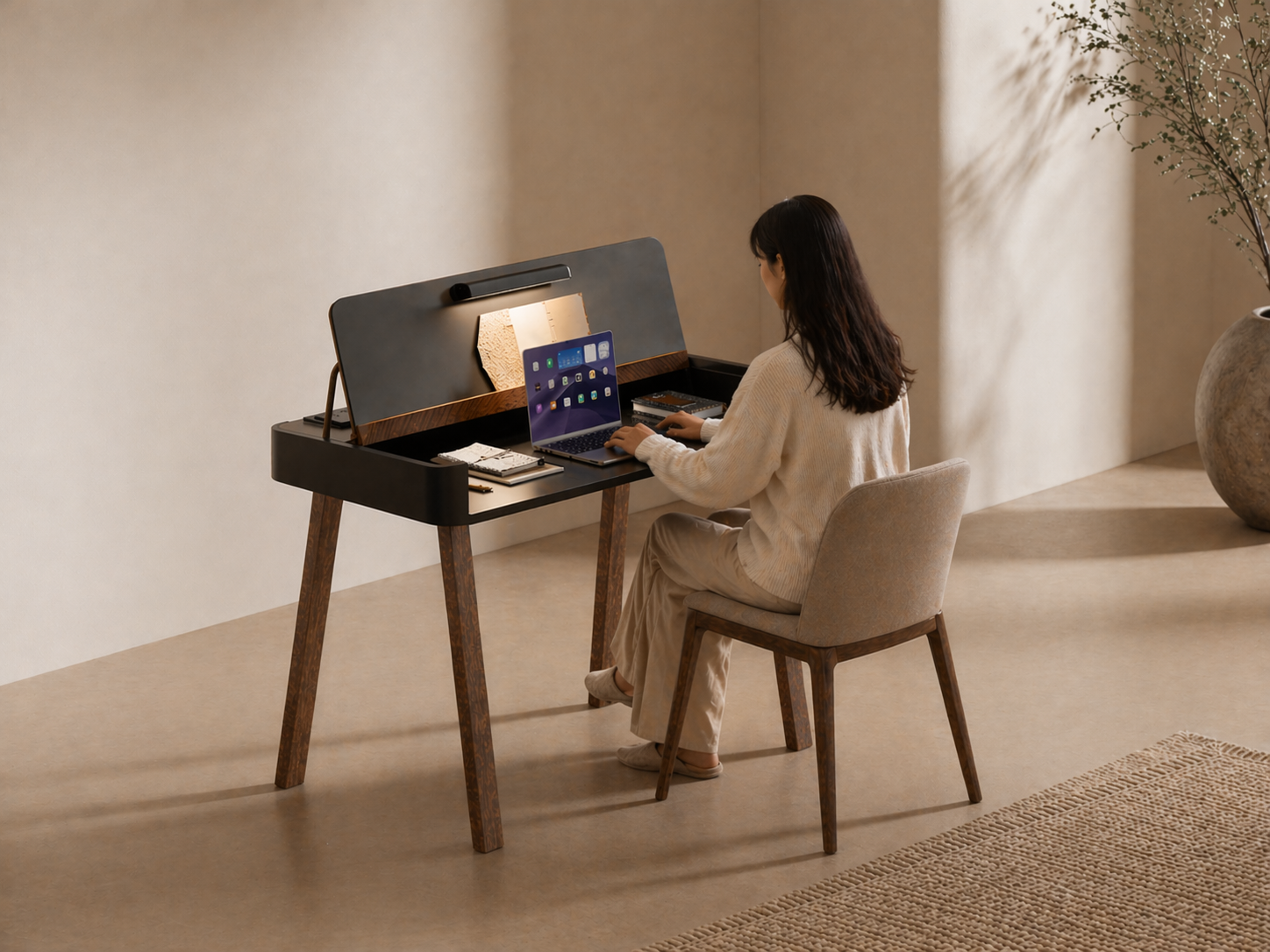
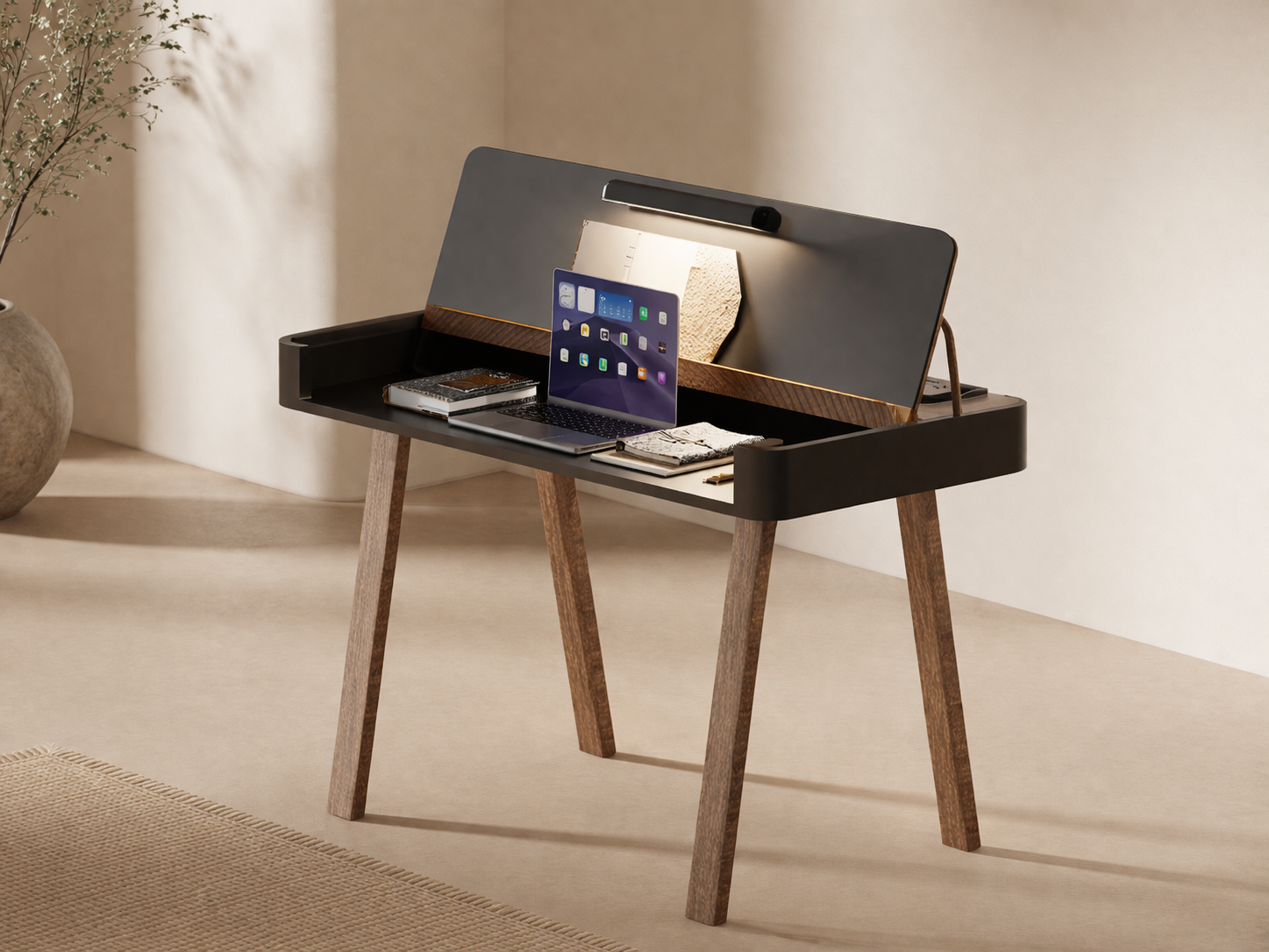
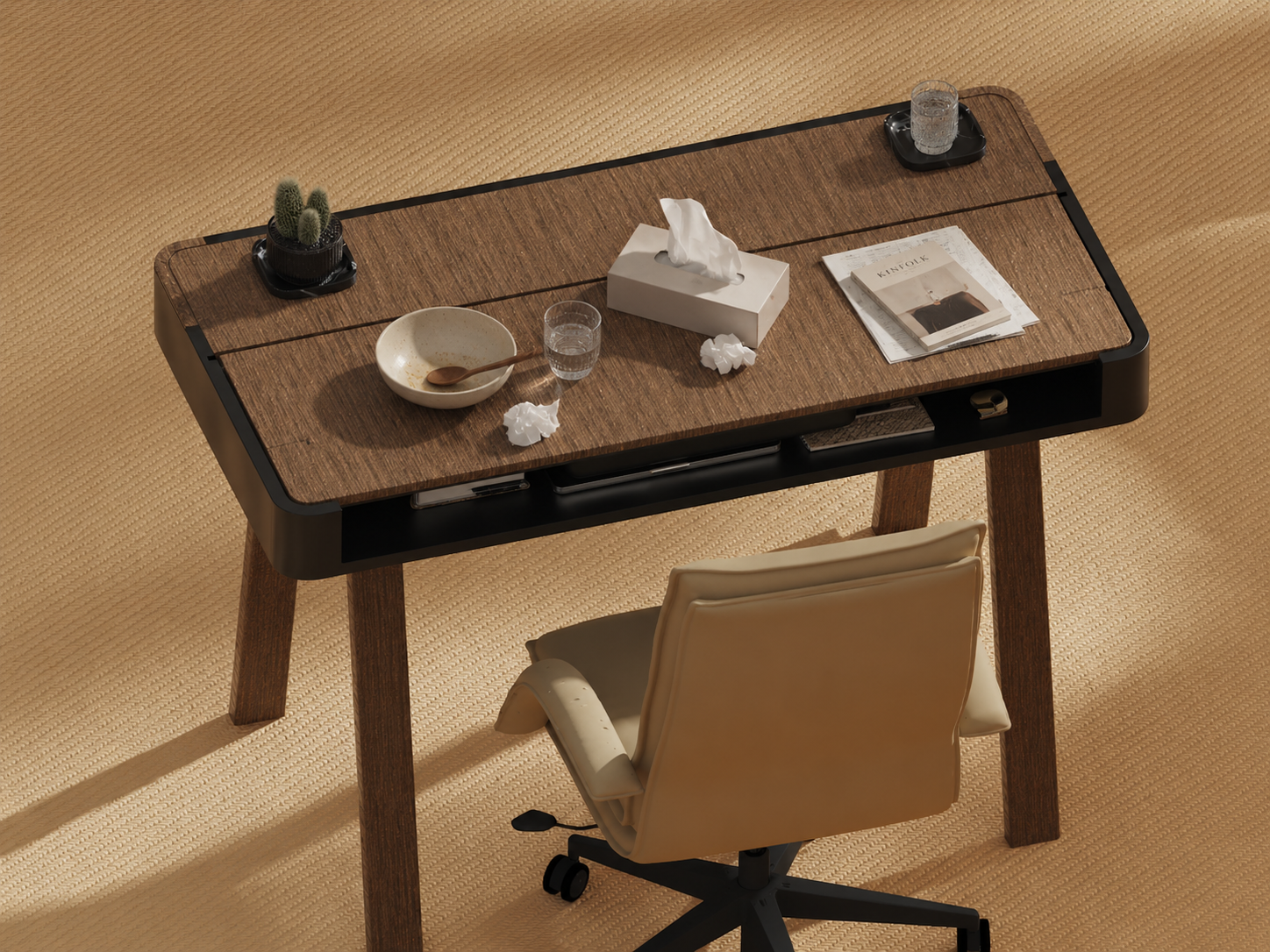
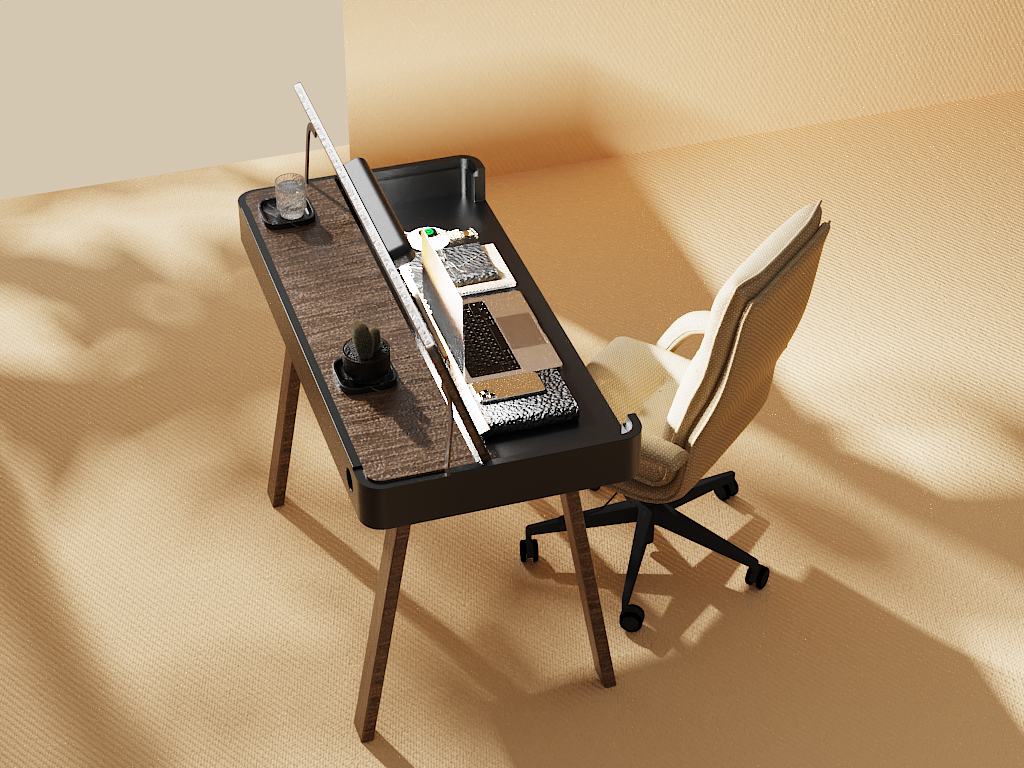
A boundary desk for work and everyday life
Duora transforms boundary from an abstract idea into a physical experience.